
Introduction: The Death of the “Viral Moment”
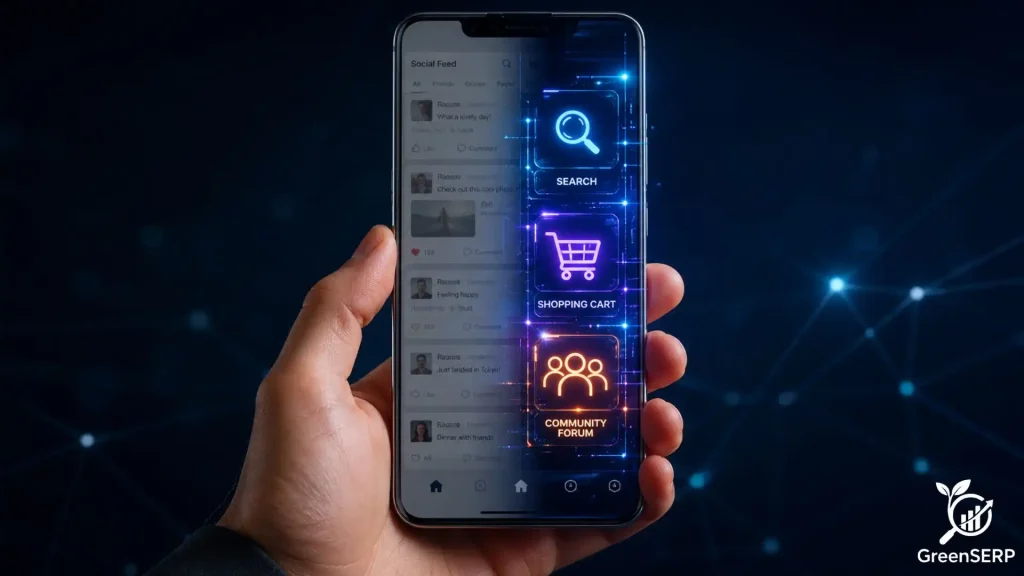
As we move through 2026, the American digital landscape has shifted beneath our feet. We have officially ended the era of “passive scrolling” and entered the era of “active utility.” In the United States, TikTok has fundamentally rewired consumer behavior, evolving from a source of quick entertainment into the primary search engine for Gen Z and the largest social commerce engine for Millennials.
For brands and agencies, this means the old playbook is obsolete. You can no longer rely on a single viral hit to sustain your growth. Today, success is determined by infrastructure, search visibility, and native shopping integration. The companies winning in the U.S. market are those that treat TikTok not as a social media app, but as a retail and information ecosystem.
This article isn’t about chasing the next dance craze; it is about building a scalable, predictable system that turns 2026 trend forecasts into a high performing execution calendar. If you want to own the search bar and the “Add to Cart” button this year, you need a plan that moves at the speed of the algorithm.
Table of Contents
- The Gap Between Prediction and Practice
- Decoding the 2026 TikTok Forecast
- Step 1: The Content Infrastructure Audit
- Step 2: Building the 12-Month Macro Calendar
- Step 3: Creating Quarterly Execution Sprints
- Step 4: Mapping Content Pillars to 2026 Trends
- Step 5: Establishing a Rapid Response Workflow
- Technology and Tools for 2026 Execution
- Measuring What Matters in 2026
- Checklist: Your 2026 TikTok Readiness
The Gap Between Prediction and Practice
Every year, marketing agencies and platforms release extensive trend reports.
These documents often use exciting language to describe how consumer behavior will change. However, many businesses fail to use this information effectively. They read the report in January, feel inspired for a week, and then return to their old posting habits by February.
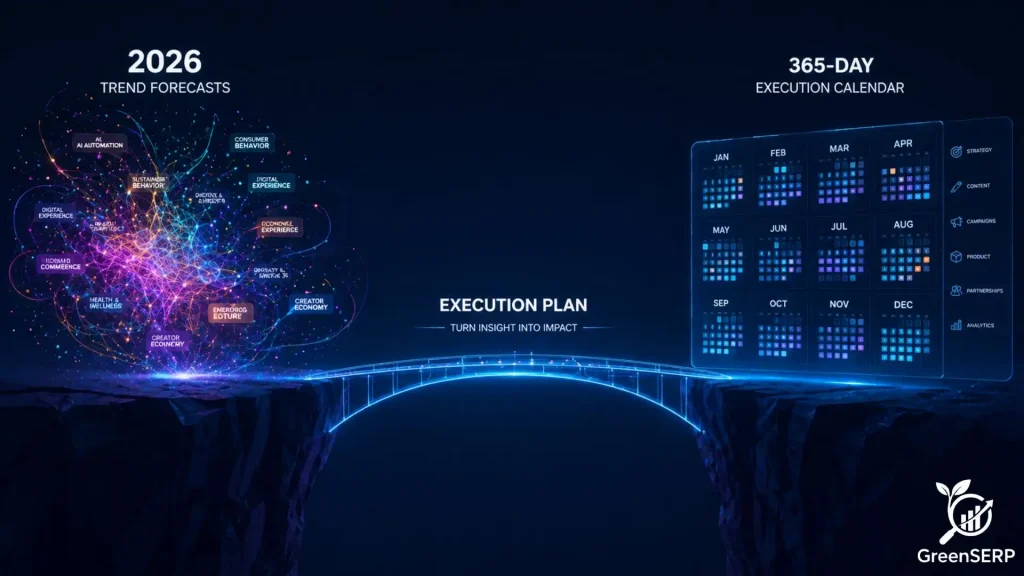
Bridging the gap between a forecast and a daily schedule is the most difficult part of social media management. By 2026, TikTok will move beyond simple viral dances. The platform is becoming a search engine, a shopping mall, and a community hub all at once.
In the USA specifically, nearly 50% of consumers now use TikTok as their primary search engine over Google. If your plan is just to “wait for a trend to happen,” you are already behind. You need a proactive execution calendar that anticipates shifts while leaving room for the unexpected.
This guide provides a blueprint to transform vague predictions into a functional 365-day plan. We will focus on practical steps that any small to medium-sized marketing team can implement.
Decoding the 2026 TikTok Forecast
Before you can build a calendar, you must understand what the 2026 landscape looks like. Forecasts suggest three primary shifts. First, AI-assisted creativity will be the standard.
This means users expect high-quality visuals and personalized storytelling. Second, “micro-communities” will replace broad viral hits. Success will come from speaking deeply to a small group rather than shouting at everyone. Third, utility will drive views.
Users want to learn things or buy products directly within the app.
The 2026 “Reali-tea” movement has officially replaced the “aesthetic” era; U.S. audiences now demand “unfiltered” grounding and raw process over curated perfection. Look at your trend report and categorize every prediction into one of three buckets:
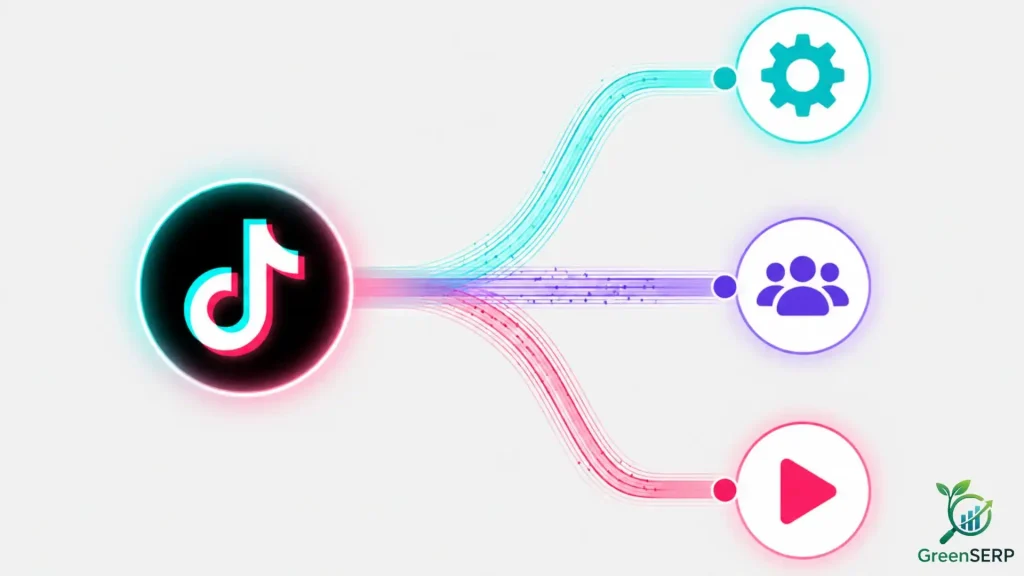
- Technical Shifts: Changes in how the app works (e.g., new AR features or native TikTok Shop checkout).
- Cultural Shifts: Changes in how people talk or what they value (e.g., a move toward extreme authenticity and #TheGreatLockIn).
- Content Shifts: Changes in the types of videos that perform well (e.g., 10-minute tutorials vs. 7-second clips).
Once you have these categories, you can begin to assign them to specific months or quarters in your calendar.
Step 1: The Content Infrastructure Audit
Execution fails when the foundation is weak. Before scheduling a single post, you must audit your current resources. Ask yourself if your team can handle the demands of 2026 content.
Assessing Gear and Software
Do you have the tools to create high-definition vertical video? In 2026, the threshold for “low quality” will be much higher. You do not need a movie studio, but you do need stable lighting and clear audio. Check your editing software to see if it integrates with AI tools for quick captioning and color correction.
Identifying Key Talent
Who is the face of your brand? TikTok users prefer people over logos. Identify the staff members who are comfortable on camera. If no one is available, you must budget for external creators or UGC (User Generated Content) partners. Your execution calendar will depend entirely on who is making the videos.
Budgeting for “Trend Funding”
Trends require money. Whether it is buying a specific prop, licensing a song, or boosting a post, you need a liquid budget. Set aside 15% of your total marketing spend specifically for experimental content that arises throughout the year.
Step 2: Building the 12-Month Macro Calendar
A 12-month calendar should not be specific down to the day, but it should outline your major themes. This prevents the “what do we post today?” panic.
Quarter 1: The Foundation
Focus on your core brand identity. Use January to clean up your profile and update your SEO keywords. With TikTok Search dominating the U.S. market, your Q1 must include a “Keyword Audit” to ensure your videos appear in the “Featured Snippets” of the search bar.
This is the time to launch “always-on” content series that introduce your products or services. Research indicates that Q1 is the best time for educational content as users look for self-improvement.
Quarter 2: Expansion and Collaboration
In the second quarter, start partnering with niche creators. Forecasts for 2026 suggest that “collaborative storytelling” will be huge. Do not just send products for review. Work with creators to build a narrative that spans multiple videos. This builds trust with their audiences.
Quarter 3: Community and Interaction
Summer months often see higher engagement in lifestyle and outdoor categories. Use this time to lean into interactive features like polls, Q&As, and live streams. Focus on the “Micro-Community” trend by hosting digital events for your most loyal followers.
Quarter 4: Conversion and Celebration
Q4 is about sales. With TikTok Shop likely to be the dominant force in social commerce by 2026, projected to surpass $20 billion in the U.S. GMV this year, your calendar should be packed with product-focused content. However, avoid being too “salesy.” Use the “Entertainment First” rule: provide value or fun before asking for the purchase.
Step 3: Creating Quarterly Execution Sprints
Once the macro calendar is set, break it down into 90-day sprints. A sprint allows you to be more specific while staying flexible.
Setting Sprint Goals
Every 90 days, pick one primary goal. For Q1, it might be “increase follower count by 10%.” For Q4, it should be “achieve a specific conversion rate on TikTok Shop.” Having one goal keeps your team focused and makes it easier to say no to ideas that do not fit.
The Batch Production Cycle
Do not film every day. It is inefficient. Schedule two days per month for “heavy production.” During these days, film 15 to 20 videos. This creates a buffer. If a sudden trend appears, you have the freedom to chase it because your baseline content is already finished.
Step 4: Mapping Content Pillars to 2026 Trends
Content pillars are the 3-5 topics your brand always talks about. To turn a forecast into execution, you must merge these pillars with the predicted trends.
Example: A Skincare Brand
- Pillar 1: Education (Trend: AI-Personalization). Execution: Use AR filters to show how ingredients react with different skin types.
- Pillar 2: Behind the Scenes (Trend: Radical Transparency). Execution: Show the raw, unedited manufacturing process and introduce the chemists (The “Reali-tea” approach).
- Pillar 3: Community (Trend: Niche Communities). Execution: Create a video series specifically for users with a very specific, rare skin condition.
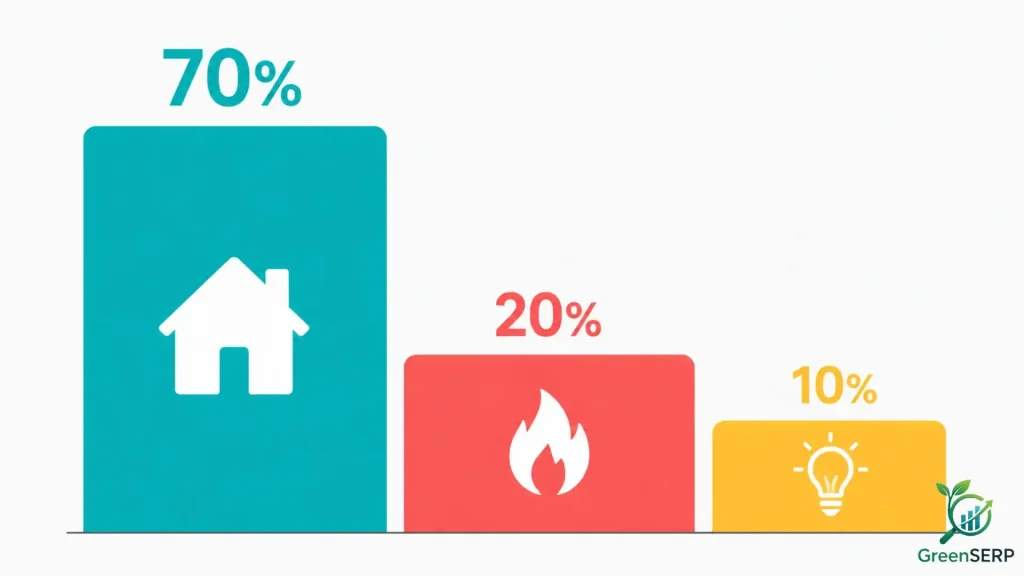
The 70/20/10 Rule Apply this ratio to your calendar:
- 70% Core Content: Safe, reliable posts that align with your pillars.
- 20% Trend Adaptation: Videos that use current sounds or formats to stay relevant.
- 10% Pure Experimentation: High-risk, high-reward ideas based on the 2026 forecast that no one else is doing yet.
Step 5: Establishing a Rapid Response Workflow
Even with the best calendar, TikTok moves fast. You need a way to approve and publish “viral moment” content within hours, not days.
The Approval Short-Circuit
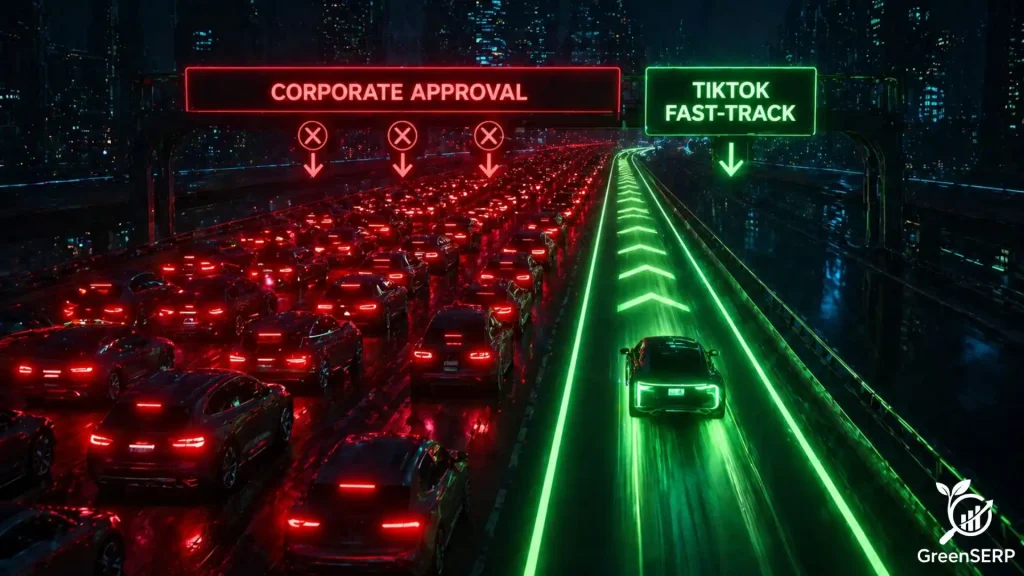
Standard corporate approval chains kill TikTok growth. Create a “fast-track” lane. Designate one person who has the final authority to approve a trend-based video. If they say yes, it goes live immediately. Eliminating three layers of management will keep your brand relevant.
Trend Scanning
Spend 30 minutes every morning looking at the “TikTok Creative Center.” Look for rising keywords and songs in your specific industry. Do not look at the general charts; they are too broad. Look for what is happening in your niche. If you see a pattern, adjust your weekly schedule to accommodate a response.
Step 6: Technology and Tools for 2026 Execution
You cannot execute a 2026 strategy with 2020 tools. Your stack should include three types of software.
Project Management
Use tools like Notion, Trello, or Asana. Your calendar should be visible to everyone on the team. Include columns for “Status,” “Assigned Creator,” “Draft Link,” and “SEO Keywords.”
AI Production Assistants
By 2026, AI tools will handle the boring parts of video editing. Use tools that automatically generate captions, suggest the best hashtags, and even cut long-form videos into short clips. Crucially, ensure your workflow includes “AI Disclosure” labels to comply with 2026 U.S. transparency laws (like California’s AB 2013).
Advanced Analytics
Look for tools that offer “Sentiment Analysis.” It is not enough to know how many people watched a video. You need to know how they felt. Did the comments lean positive or negative? Use this data to tweak your execution calendar for the following month.
Step 7: Measuring What Matters in 2026
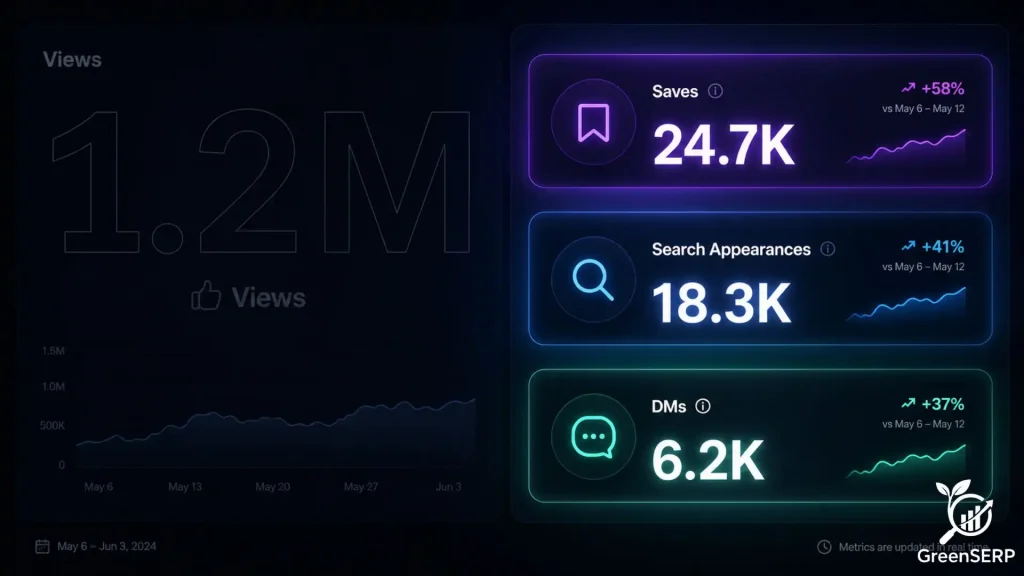
Stop focusing solely on views. In 2026, views are a “vanity metric.” A million views that result in zero sales or zero community growth are useless. Instead, track these metrics:
- Retention Rate: How long are people watching? If they drop off in the first two seconds, your hook is weak.
- Save-to-View Ratio: If people save your video, it means the content is useful or aspirational. This is a high-value signal for the TikTok algorithm.
- Direct Message (DM) Inquiries: This shows that your content is building a real connection and moving users down the sales funnel.
- Search Appearances: How many people found your video by searching for a specific term? This proves your TikTok SEO strategy is working.
Checklist: Your 2026 TikTok Readiness
Use this checklist to ensure your execution calendar is ready to launch.
- [ ] Audit Complete: Do we have the gear, software, and people required?
- [ ] Macro Calendar Set: Are the four quarters mapped out with general themes?
- [ ] 90-Day Sprint Defined: Does the current quarter have one clear, measurable goal?
- [ ] SEO Strategy Integrated: Have we identified the 50 keywords we want to own in 2026?
- [ ] Fast-Track Approval Ready: Is there a designated person to greenlight trend content quickly?
- [ ] Production Days Scheduled: Are the batch filming dates on the team’s communal calendar?
- [ ] Community Plan in Place: Do we have a strategy for replying to every comment in the first hour?
- [ ] Budget Allocated: Is there a specific fund for experimental content and creator partnerships?
- [ ] Tools Updated: Are we using AI and advanced analytics to streamline the process?
- [ ] Compliance Check: Are we prepared to label AI-generated content according to new legal standards?
By following this structured approach, you stop guessing and start executing. A trend forecast is just a map. The execution calendar is the vehicle that actually gets you to your destination. 2026 will reward the brands that are prepared, consistent, and fast.